Supply Chain Management Software: Features, Benefits and ERP
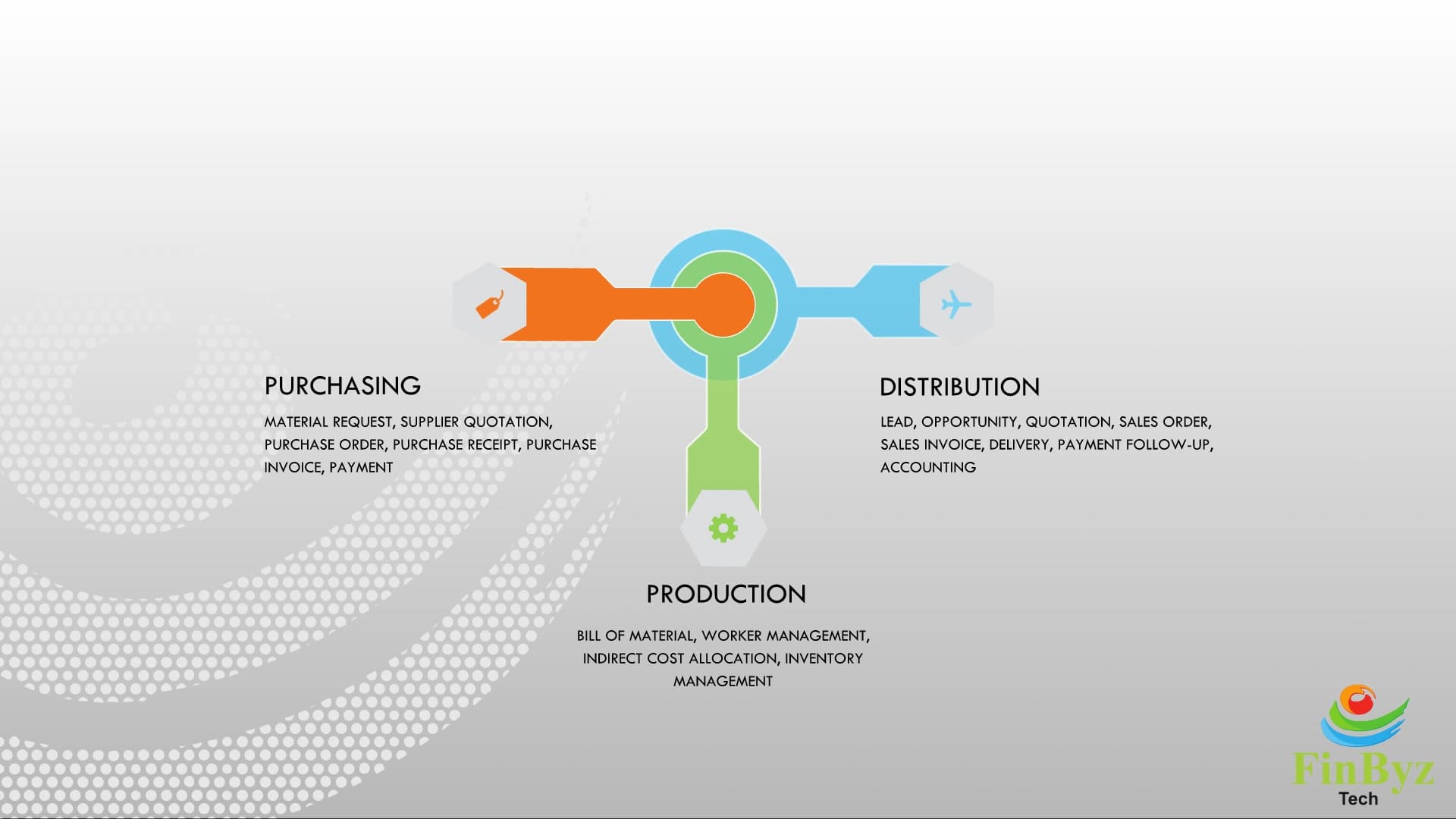
Supply chain management software plans and tracks purchasing, stock, production and delivery in one system. See key features, benefits and how ERPNext does it.
Supply chain management (SCM) software plans, runs and tracks the flow of goods from suppliers to customers in one system: purchasing, inventory, demand planning, production and delivery. It replaces spreadsheets and email with shared, real-time data, so teams order the right quantity at the right time, hold less stock and ship on time.
SCM software covers five core areas: planning, procurement, manufacturing, warehousing and transport. This guide explains what each does, which SCM software leads the market, and how an ERP such as ERPNext runs the supply chain for small and mid-size companies.
What Does Supply Chain Management Software Do?
Supply chain management software links every step between a customer order and the supplier who provides the material for it. A demand signal (a sales order or forecast) creates a material plan, the plan creates purchase or production orders, receipts update stock, and deliveries close the loop with the customer and accounts. Because each step uses the same data, managers see stock, open orders and delays without chasing people for updates.
Core Features of SCM Software
| Feature | What it does |
|---|---|
| Procurement | Material requests, requests for quotation, supplier quotations, purchase orders and approvals |
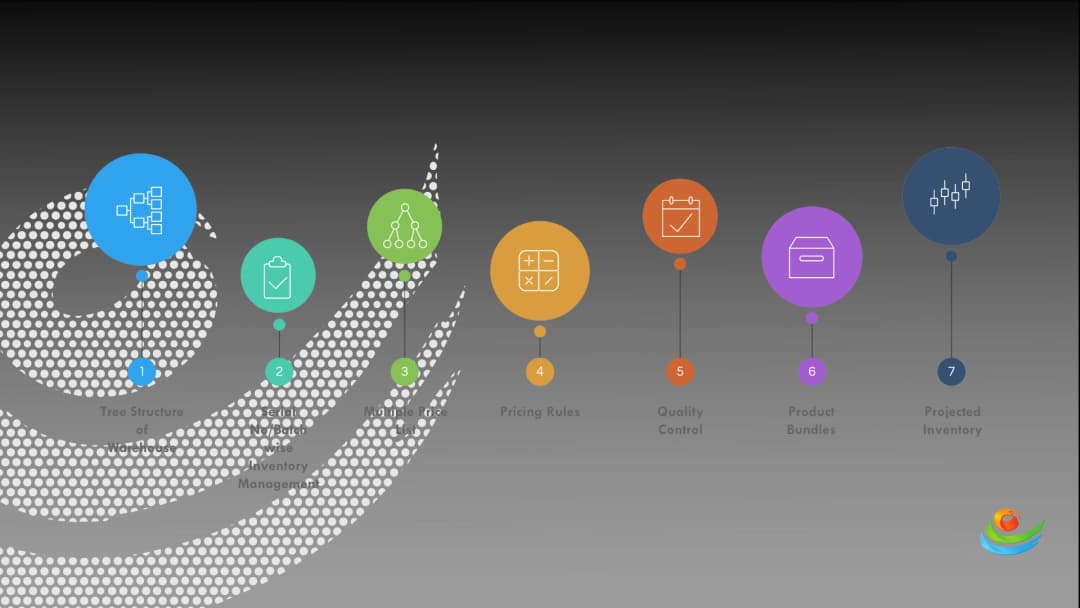
| Inventory management | Stock in several warehouses, reorder levels, batch and serial numbers, stock valuation |
| Demand planning | Forecasts from sales history and open orders, turned into a material and production plan |
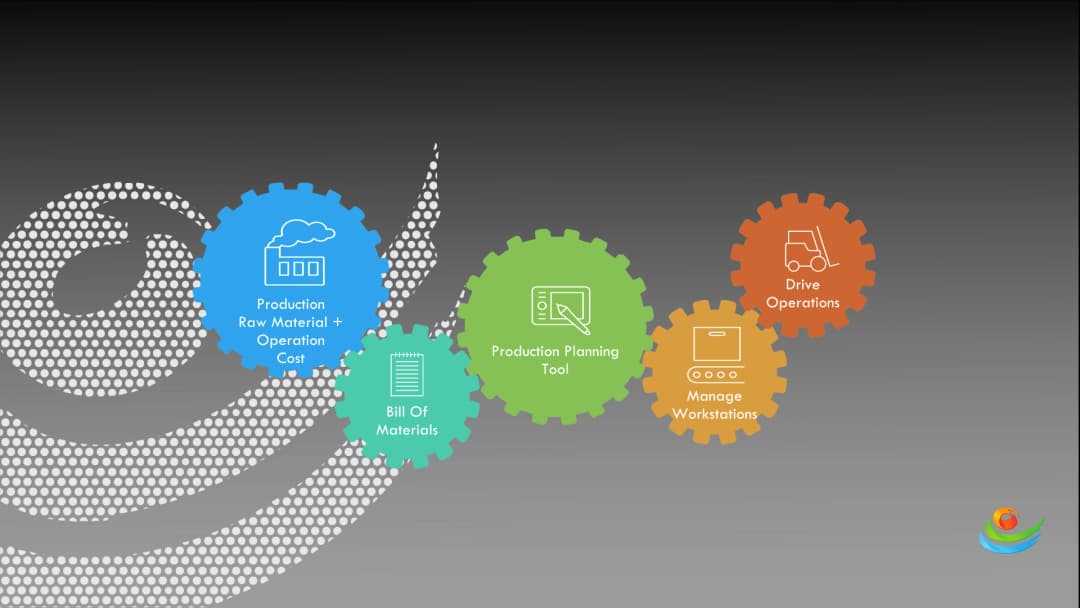
| Production planning | Bills of materials, work orders and capacity, so material arrives when production needs it |
| Warehouse management | Bin locations, putaway, picking and cycle counts |
| Order management | Sales orders, reservations, picking, packing and delivery notes |
| Logistics and transport | Shipments, delivery trips, freight costs and tracking |
| Supplier management | Supplier scorecards, lead times, price history and supplier portals |
| Analytics | Dashboards for stock ageing, fill rate, on-time delivery and purchase spend |
Benefits of Supply Chain Management Software
The main benefits of supply chain management software are:
- Inventory Control: Advanced SCM practices ensure better visibility and control over inventory, minimizing overstock and understock situations. This balance leads to lower carrying costs while maintaining product availability.
- Demand Forecasting: Leveraging data analytics and historical trends, businesses can predict demand accurately. This helps prevent inefficiencies such as overproduction or stockouts essential to streamlined logistics and supply chain management.
- Supplier Relationship Management: A well-integrated SCM system emphasizes strong supplier relationship management to enhance procurement reliability. Collaborating with trusted vendors ensures timely deliveries, cost optimization, and consistent quality.
- Production Efficiency: SCM improves production workflows by ensuring timely availability of materials and optimal resource allocation. This leads to increased productivity and minimized downtime.
- Cost Reduction: Through improved resource planning, automation, and reduced process redundancies, SCM lowers operational expenses across the supply chain.
- Improved Customer Service: On-time delivery, accurate order fulfilment, and product availability are direct outcomes of effective logistics and supply chain management, fostering stronger customer relationships and loyalty.
- Risk Management: Strategic SCM identifies potential disruptions in supply, quality, or logistics early, enabling proactive risk mitigation and ensuring continuity.
- Supply Chain Resilience: A resilient supply chain built through smart SCM practices can adapt quickly and recover from such challenges effectively.
Leading Supply Chain Management Software
The most shortlisted supply chain management software platforms are SAP Supply Chain Management, Oracle Fusion Cloud SCM, Microsoft Dynamics 365 Supply Chain Management, Kinaxis Maestro and Blue Yonder, with ERPNext as the open-source option. The first five are aimed at mid-size and large enterprises; ERPNext is the open-source option for small and mid-size firms.
| Software | Type | Best fit |
|---|---|---|
| SAP Supply Chain Management (incl. SAP IBP) | Enterprise SCM suite | Large global manufacturers and SAP customers |
| Oracle Fusion Cloud SCM | Cloud SCM and manufacturing suite | Enterprises on Oracle Cloud ERP |
| Microsoft Dynamics 365 Supply Chain Management | Cloud or hybrid SCM within Dynamics 365 | Mid-market and enterprise manufacturers on Microsoft |
| Kinaxis Maestro | Supply chain planning platform on top of an existing ERP | Concurrent supply chain planning across a large network |
| Blue Yonder | Planning, warehouse and transport software | Retail, distribution and logistics networks |
| ERPNext | Open-source ERP with buying, stock, manufacturing and selling built in | Small and mid-size manufacturers, traders and distributors |
Open-Source Supply Chain Management Software
Open-source SCM software has no licence fee and lets you see and change the code, so you pay only for hosting, implementation and support. ERPNext and Odoo Community are the best-known open-source ERPs with full supply chain features; ERPNext covers purchasing, inventory, manufacturing, selling and accounts in a single system under the GPL v3 licence. For a comparison of the two, see ERPNext vs Odoo.
Standalone SCM Software vs ERP With Supply Chain Modules
| Point | Standalone SCM software | ERP with SCM modules |
|---|---|---|
| Data | Separate system, synced with accounting and sales | One database for orders, stock, production and accounts |
| Strength | Deep planning, warehouse or transport optimisation for very large networks | End-to-end flow from order to cash and purchase to pay |
| Cost | Extra licences plus integration work | Included in the ERP |
| Best for | Large enterprises with complex global networks | Small and mid-size manufacturers, traders and distributors |
For most small and mid-size companies, cloud-based supply chain management software inside the ERP is enough and avoids a second system to integrate. See what a cloud ERP system is.
How ERPNext Runs Your Supply Chain
ERPNext is open-source ERP with supply chain features built in, so purchasing, stock, manufacturing, selling and accounts share one database:
- Buying: Material Request, Request for Quotation, Supplier Quotation comparison and Purchase Order with approval workflows.
- Stock: multiple warehouses, reorder levels that raise material requests automatically, batch and serial tracking, and stock valuation.
- Planning and production: Production Plan from sales orders, bills of materials, work orders and job cards. Read about the master production schedule.
- Selling and delivery: sales orders, pick lists, delivery notes and delivery trips for your own vehicles.
- Supplier performance: Supplier Scorecard on delivery and quality, plus a supplier portal for quotations and orders.
- Reports: stock ageing, projected quantity, purchase analytics and on-time delivery.
FinByz sets ERPNext up for manufacturing, trading and distribution and logistics companies.
How to Choose Supply Chain Management Software
- Start from your bottleneck: stock-outs, excess stock, late suppliers or late deliveries. Pick the system that fixes that first.
- Check integration: purchasing, stock and accounts should update each other without manual entry.
- Test with your data: run one real order from customer order to supplier payment in the demo.
- Look at the total cost: licences, hosting, implementation and support over three to five years.
- Plan for growth: more warehouses, companies, currencies and countries without a new system.
Conclusion
Supply chain management software links purchasing, stock, production and delivery so you order on time, hold less stock and ship on time. Large global networks often need a dedicated SCM suite; most small and mid-size companies get what they need from an ERP with supply chain modules. Talk to a FinByz consultant about running your supply chain on ERPNext.